
Minimalist Home Design
-
New TV Lift Cabinet Checklist: Measuring, Power, and Delivery Day

Ordering a TV lift cabinet feels exciting until the truck is in the driveway and a doorway is one inch too tight. A simple checklist for measuring, power, and delivery day prevents that story. Use it for indoor living rooms, end-of-bed setups, and outdoor patio cabinets alike.
Measure the television first. Record exact width, height, depth, weight, and VESA pattern. Compare those numbers to the cabinet's rated capacity rather than relying on diagonal alone. Then measure the room: wall width, depth available, ceiling or overhang clearance for full lift travel, and the path from entry to final placement. Include stair turns, elevator cars, and railing gaps for condos and multi-story homes.
Power planning comes next. Note the nearest outlet and whether it is indoor or outdoor-rated for patio installs. Decide how cords will reach the cabinet without crossing primary walkways. Consider surge protection habits that match your household. If both a lift mechanism and a TV need power, plan the cable
Posted on: October 30, 2026Posted by: Jenn Mann -
Minimalism Doesn't Mean Giving Up Your TV
Minimalism gets misunderstood pretty often it's not really about owning less stuff for its own sake, or stripping a room down to the bare essentials just to prove a point. At its core, it's about being intentional with what you actually see and interact with on a daily basis, and removing whatever doesn't earn its place in the room.
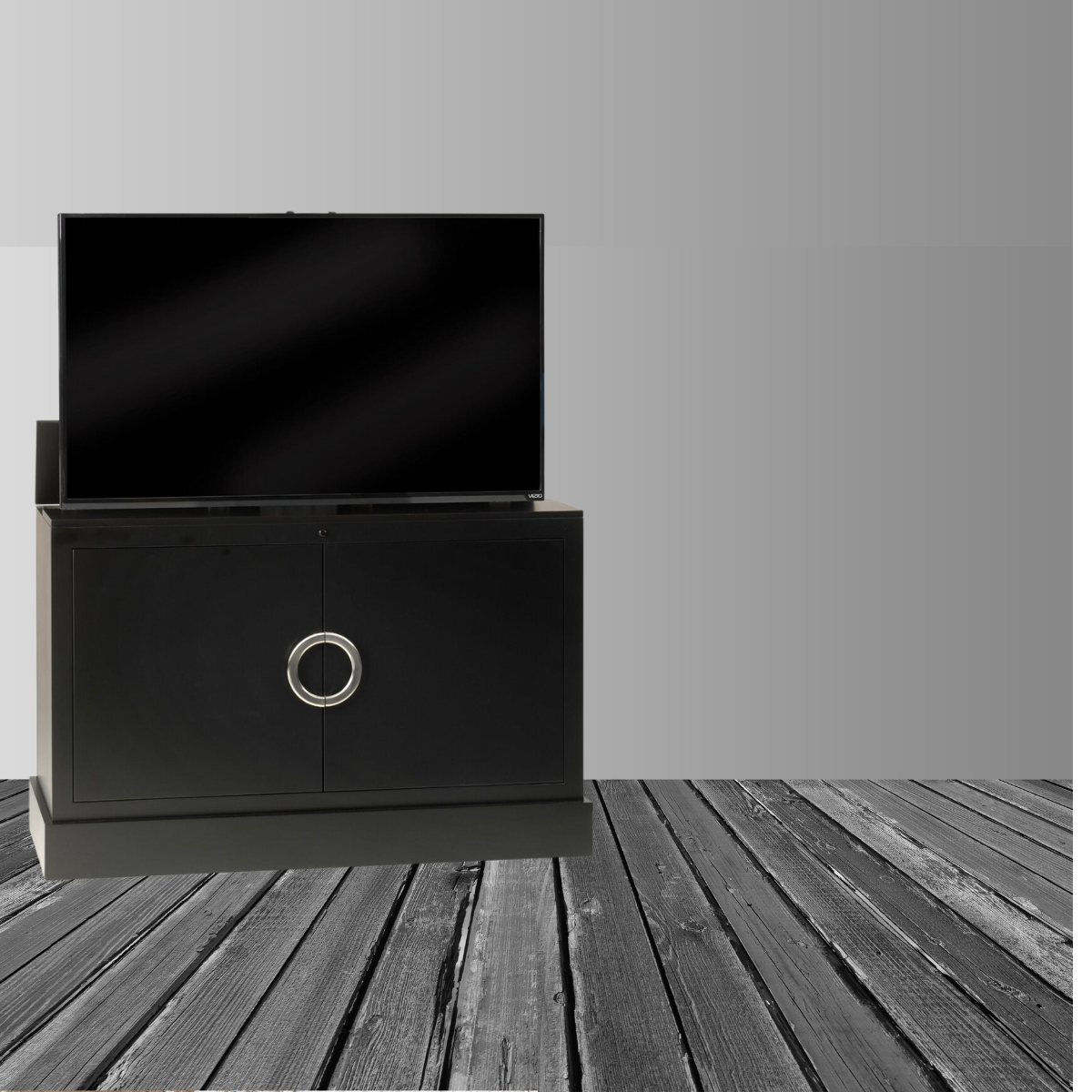
Few objects fight harder against that goal than a large, black TV screen sitting out in the open. Even when it's off, it's a visual anchor a dark rectangle that draws the eye and disrupts whatever careful balance of color, texture, and negative space the rest of the room has been built around.
A lift cabinet solves that tension directly. You get to keep the technology you actually use and genuinely want no giving up movie nights or your favorite shows in the name of a design philosophy without it visually competing with everything else you've carefully curated in the space.
It's minimalism without sacrifice, and that distinction matters. You don't have to choose
Posted on: August 30, 2026Posted by: Jenn Mann -
Are TV Lift Cabinets Worth It?
f you’re considering a TV lift cabinet, you’re probably asking the same question many buyers do before purchasing: is it really worth the cost?
For many homeowners, the answer is yes — especially if you value clean design, convenience, and high-quality furniture.
Why People Buy TV Lift Cabinets
The biggest advantage is simple: your TV disappears when you’re not using it. Instead of a large black screen dominating the room, the television stays hidden inside a beautiful cabinet until you press a button.
This creates a cleaner, more elegant space and works especially well in:
- Living rooms
- Bedrooms
- Vacation homes
- RVs
- Open-concept spaces
Many buyers also appreciate the convenience of motorized lift systems, hidden storage, and better cable management.
Are They Expensive?
TV lift cabinets cost more than standard TV stands, typically ranging from $1,500 to $3,000 or more depending on size, materials, and lift quality.
However, they’re designed to function as both premium furniture and home technology.
Categories: Luxury Living Spaces , Minimalist Home Design , Smart Luxury Furniture , Coastal & Lake Home Ideas , Modern Entertaining SpacesPosted on: May 24, 2026Posted by: Jenn Mann