
Luxury Living Spaces
-
Thanksgiving and Fall Indoor Hosting with a Living Room TV Lift Cabinet

Fall indoor hosting asks living rooms to multitask. The same space may host coats, overflow dining chairs, dessert plates, a parade on TV, and a football game after pie. An indoor TV lift cabinet helps that choreography. Keep the screen lowered while conversation and dinner set the tone, then raise it when the group is actually ready to watch.
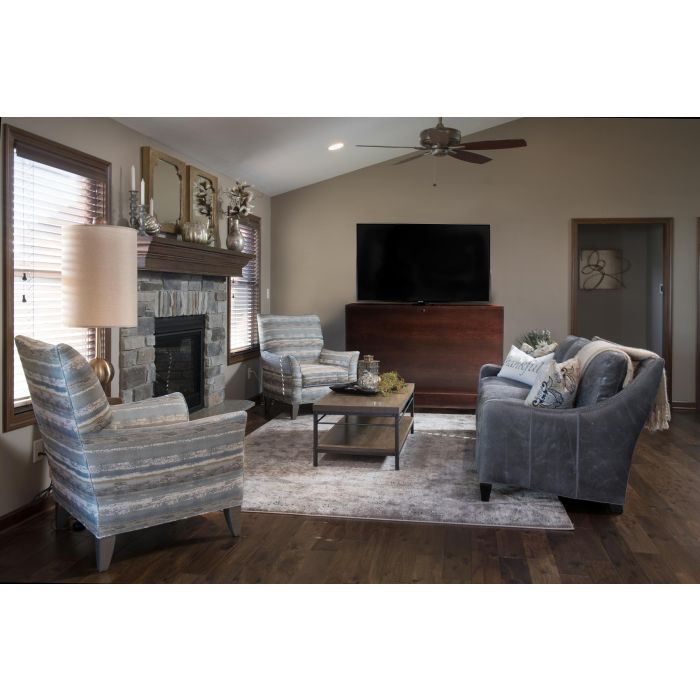
Pre-guest prep is where the cabinet earns its keep. A lowered TV makes the room photograph better, feel calmer, and leave visual attention on flowers, a fireplace, or the seating itself. That matters for Thanksgiving weekend when homes carry a little more formality than a random Sunday. Guests walk into furniture, not into a glowing panel competing with the holiday table story.
Timing the lift becomes part of hosting manners. Raise the TV for the parade if that is your tradition, lower it during the main meal if you want eyes on the table, and bring it back for the afternoon game. Because the mechanism is quiet and intentional, the shift feels planned
Categories: Your Living Room/Family Room , living room furniture , Living Spaces , Fall Decor , fall home design , Luxury Living SpacesPosted on: October 07, 2026Posted by: Jenn Mann -
Pop-Up Living Room Design: Hidden TV Lift Cabinets That Keep the Room Looking Finished
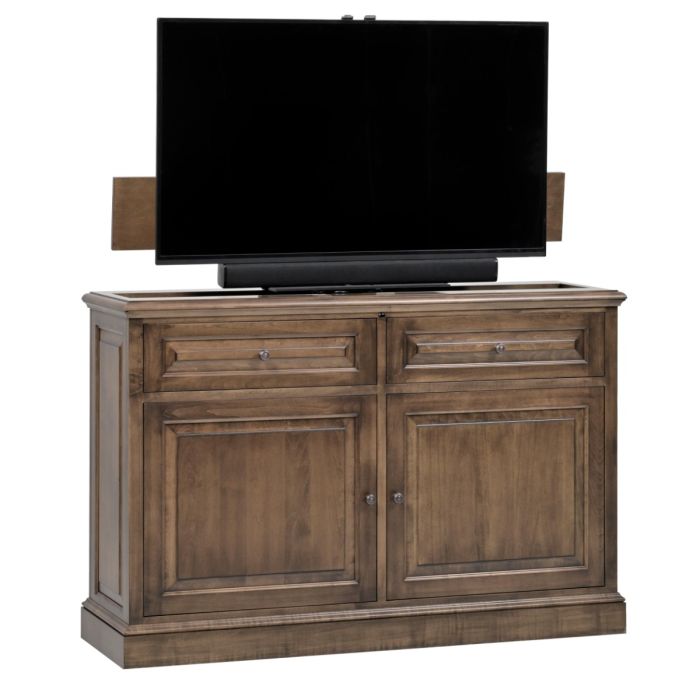
Living rooms take a lot of pressure. They need to look good for guests, work for family nights, and still feel calm on quiet mornings. A giant black screen on the wall can fight that goal, especially in rooms where architecture, mantels, or windows already claim attention. A hidden TV lift cabinet, sometimes called a pop-up lift cabinet, gives you a different language for the space. The television appears when entertainment starts and vanishes into furniture when the room needs to breathe.
That pop-up language is not about gimmicks. It is about control. Open-concept homes and carefully styled living rooms often look better without a permanent monitor dominating every photo and every conversation. With a lift cabinet, the focal point can be art, a fireplace, books, or the sofa grouping itself. When movie night arrives, the screen rises from a finished case that already belongs in the room. Guests notice the convenience. You notice that the room still looks intentional the next morning.
Placement
Categories: Your Living Room/Family Room , living room furniture , living rooms , Living Spaces , Hidden TV , living room design , Luxury Living SpacesPosted on: September 19, 2026Posted by: Jenn Mann -
How to Design a Multi-Purpose Living Room with a Hidden TV
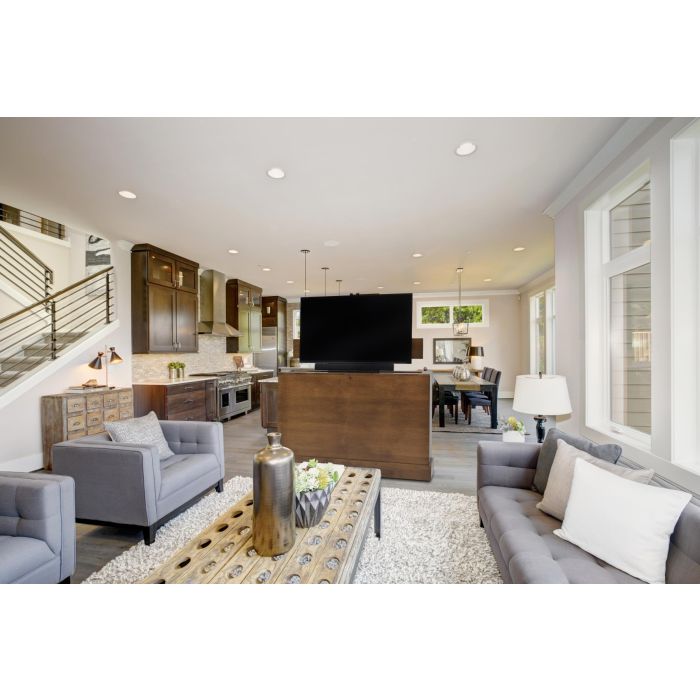
Open floor plans ask a lot of one room. It has to host movie nights, dinner parties, work calls, and kids' playtime, often within the same 300 square feet. A hidden TV is one of the simplest ways to let that room shift roles without a full rearrangement each time.
Start with Zones, Not Furniture
Before picking a cabinet, map out the room's actual uses: conversation area, dining or work area, and entertainment area. A TV lift cabinet works best when it can anchor the entertainment zone without visually claiming the whole room when it's not in use.
Choosing the Right Cabinet for Multi-Use Spaces
- Console cabinets that sit low and wide work well as a room divider between a seating area and a dining or office nook
- Swivel lift mechanisms let one TV serve two zones, useful if your workspace and your couch face different directions
- Cabinets with closed storage keep game consoles, cables, and board games out of sight when the room needs to look like a dining room or office instead
Designing Around
Categories: Your Living Room/Family Room , Living Spaces , Hidden TV , Modern Living , Luxury Living SpacesPosted on: September 03, 2026Posted by: Jenn Mann -
A Living Room Transformation: Before and After
Picture the "before": a bulky entertainment center anchoring one whole wall of the room, cords snaking out from behind it in every direction, a cable box and a gaming console and a soundbar all stacked in full view. The TV itself is impossible to ignore no matter where you're sitting, and no amount of careful furniture arrangement around it changes that basic fact.
It's a setup that works, in the sense that everything's plugged in and functional but it's rarely the room people picture when they imagine their dream living space. It looks like a room built around a television, because, functionally, it is one.
Now picture the "after." A single, clean cabinet sits in that same spot. No visible cords snaking anywhere. No mismatched media furniture stacked around the perimeter trying to disguise itself. No oversized black rectangle pulling focus away from the rest of the room the second you walk in. The television is completely hidden until someone actually wants to use it.
The difference isn't
Categories: Your Living Room/Family Room , living room , Living Spaces , Clutter Free Living , Luxury Living Spaces , living room TV lift cabinet , TV lift living roomPosted on: August 25, 2026Posted by: Jenn Mann -
Are TV Lift Cabinets Worth It?
f you’re considering a TV lift cabinet, you’re probably asking the same question many buyers do before purchasing: is it really worth the cost?
For many homeowners, the answer is yes — especially if you value clean design, convenience, and high-quality furniture.
Why People Buy TV Lift Cabinets
The biggest advantage is simple: your TV disappears when you’re not using it. Instead of a large black screen dominating the room, the television stays hidden inside a beautiful cabinet until you press a button.
This creates a cleaner, more elegant space and works especially well in:
- Living rooms
- Bedrooms
- Vacation homes
- RVs
- Open-concept spaces
Many buyers also appreciate the convenience of motorized lift systems, hidden storage, and better cable management.
Are They Expensive?
TV lift cabinets cost more than standard TV stands, typically ranging from $1,500 to $3,000 or more depending on size, materials, and lift quality.
However, they’re designed to function as both premium furniture and home technology.
Categories: Luxury Living Spaces , Minimalist Home Design , Smart Luxury Furniture , Coastal & Lake Home Ideas , Modern Entertaining SpacesPosted on: May 24, 2026Posted by: Jenn Mann