
TV lift living room
-
A Living Room Transformation: Before and After

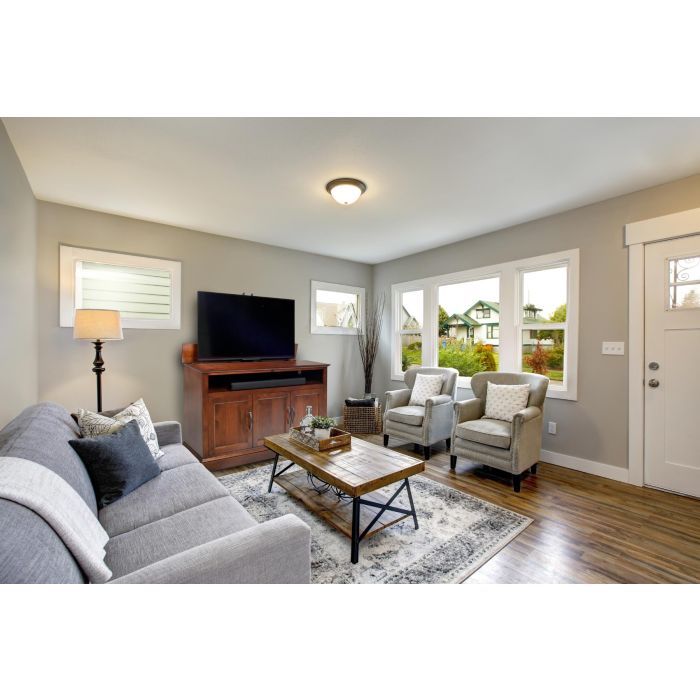
Picture the "before": a bulky entertainment center anchoring one whole wall of the room, cords snaking out from behind it in every direction, a cable box and a gaming console and a soundbar all stacked in full view. The TV itself is impossible to ignore no matter where you're sitting, and no amount of careful furniture arrangement around it changes that basic fact.
It's a setup that works, in the sense that everything's plugged in and functional but it's rarely the room people picture when they imagine their dream living space. It looks like a room built around a television, because, functionally, it is one.
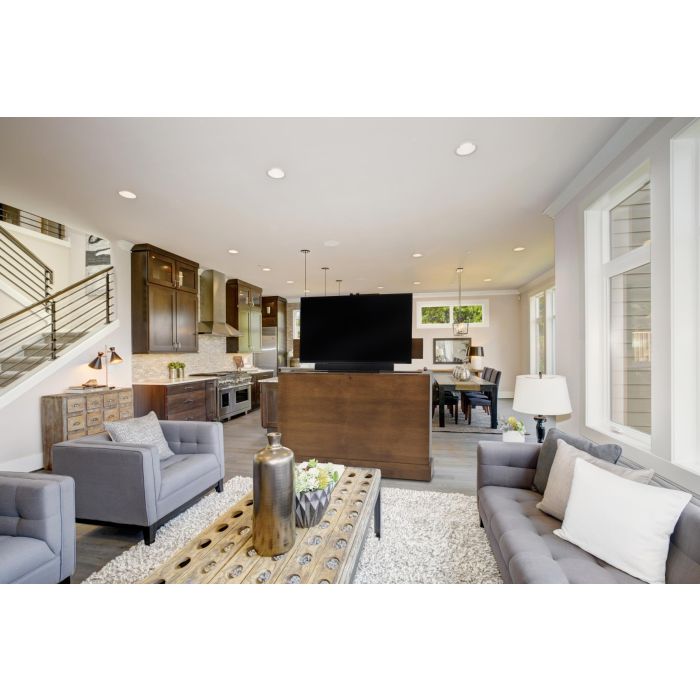
Now picture the "after." A single, clean cabinet sits in that same spot. No visible cords snaking anywhere. No mismatched media furniture stacked around the perimeter trying to disguise itself. No oversized black rectangle pulling focus away from the rest of the room the second you walk in. The television is completely hidden until someone actually wants to use it.
The difference isn't
Categories: Your Living Room/Family Room , living room , Living Spaces , Clutter Free Living , Luxury Living Spaces , living room TV lift cabinet , TV lift living roomPosted on: August 25, 2026Posted by: Jenn Mann -
How Does a TV Lift Cabinet Improve Interior Design?
A TV lift cabinet improves interior design by eliminating the visual dominance of a flat-screen television when it's not in use, allowing the room's furniture, art, and architecture to take center stage. Instead of designing a room around a black rectangle on the wall, you design the room around your taste — and the TV appears only when needed. This single change dramatically increases a room's aesthetic flexibility and perceived quality.
Interior designers frequently cite the television as one of their greatest challenges. It's a functional necessity for most households, but an aesthetically difficult one — a large black rectangle that demands visual attention whether it's on or off, and that forces the rest of the room's design to accommodate it.
TV lift cabinets solve this problem at its root.
The "Dead Screen" Problem
Design professionals call it the "dead screen" problem — the way a turned-off flat-panel TV creates a black void in the room, drawing the eye and deadening the surrounding
Categories: How Does a TV Lift Cabinet Improve Interior Design? , TV lift living room , home design TV lift , TV lift cabinet aestheticPosted on: July 03, 2026Posted by: Jenn Mann