

Blog
-
Lift Mechanism Basics: Quiet Motorized Kits for DIY Builds vs Finished Cabinets
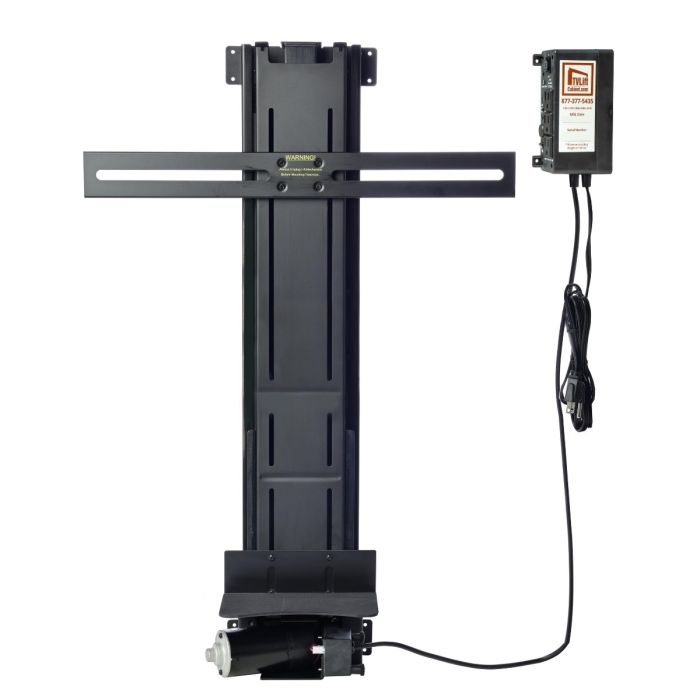
A TV lift mechanism is the motorized heart of any pop-up cabinet. Understanding what that kit does helps you choose between a DIY furniture project and a finished cabinet that arrives ready to live with. Quiet travel, stable mounting, and clean cable management matter as much as the wood case around them.
At a basic level, the mechanism raises and lowers a platform or bracket that holds the television. You control it with a remote, switch, or integrated control depending on the kit. Good mechanisms emphasize smooth motion and low noise so the lift feels like furniture, not garage-door hardware. Load rating, travel height, and mounting pattern must match your TV weight and size. If those numbers are off, the screen can wobble, strain the motor, or fail to clear the cabinet lid cleanly.
DIY buyers often already have a carpenter, a custom millwork plan, or a prized antique they want to convert. In that lane, a lift mechanism kit can be the right purchase. You still need precise cabinet interior
Posted on: September 22, 2026Posted by: Jenn Mann -
How to Childproof Your Living Room Without Sacrificing Style (TV Lift Edition)
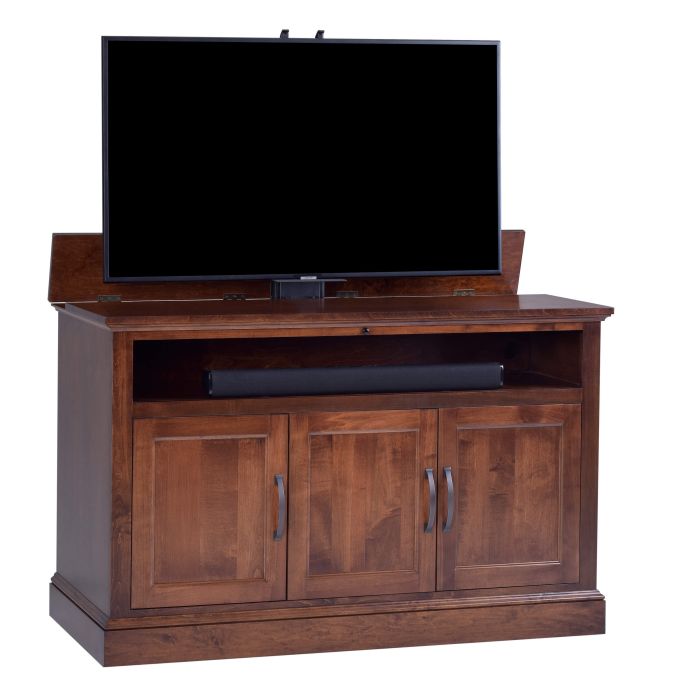
Wall-mounted TVs and toddlers don't mix well. Tip-over accidents involving furniture and televisions remain a well-documented safety concern, and traditional childproofing solutions, straps, corner guards, furniture anchors, often look exactly like what they are: safety equipment bolted onto your decor.
Why TVs Are a Childproofing Blind Spot
A mounted or stand-supported television sits at a height and weight that makes it a genuine hazard for a curious, climbing toddler. Even secured units can be a source of anxiety for parents watching a child play nearby.
How a Lift Cabinet Removes the Risk
A TV lift cabinet keeps the television fully enclosed and out of reach until it's raised for use, and it's not accessible by climbing since it sits inside a solid cabinet body rather than balanced on an open stand:
- No exposed screen for little hands to grab or pull
- No stand or mount for a child to use as a climbing point
- The cabinet itself functions as normal, sturdy furniture even with the TV lowered
Posted on: September 20, 2026Posted by: Jenn Mann -
Pop-Up Living Room Design: Hidden TV Lift Cabinets That Keep the Room Looking Finished
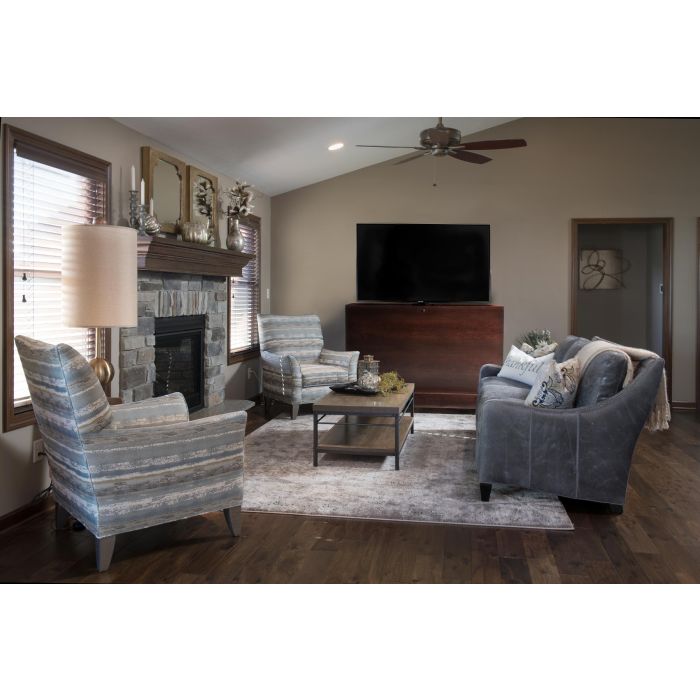
Living rooms take a lot of pressure. They need to look good for guests, work for family nights, and still feel calm on quiet mornings. A giant black screen on the wall can fight that goal, especially in rooms where architecture, mantels, or windows already claim attention. A hidden TV lift cabinet, sometimes called a pop-up lift cabinet, gives you a different language for the space. The television appears when entertainment starts and vanishes into furniture when the room needs to breathe.
That pop-up language is not about gimmicks. It is about control. Open-concept homes and carefully styled living rooms often look better without a permanent monitor dominating every photo and every conversation. With a lift cabinet, the focal point can be art, a fireplace, books, or the sofa grouping itself. When movie night arrives, the screen rises from a finished case that already belongs in the room. Guests notice the convenience. You notice that the room still looks intentional the next morning.
Placement
Categories: Your Living Room/Family Room , living room furniture , living rooms , Living Spaces , Hidden TV , living room design , Luxury Living SpacesPosted on: September 19, 2026Posted by: Jenn Mann -
End-of-Bed TV Lift Cabinet Buyer Guide: A Bedroom Focal Point That Hides When You Sleep

Bedrooms work best when they can switch moods. Daytime might mean news, stretches, or a show while you fold laundry. Nighttime should feel quiet, dark, and free of glowing rectangles. An end-of-bed TV lift cabinet is built for that switch. The screen rises at the foot of the bed when you want it and lowers into furniture when you want the room to feel like a bedroom again.
The design idea is simple and surprisingly elegant. Instead of mounting a TV on the wall opposite the bed, you place a finished cabinet at the footboard line. From bed, the viewing angle feels natural. From the doorway, the piece reads as intentional furniture rather than a hotel-room afterthought. When the TV is down, you keep sightlines open for dressers, art, and morning light. That is a big deal in primary suites where the bed already dominates the floor plan.
Buyer fit starts with mattress and bed frame size. A king bed wants a wider cabinet footprint than a queen, and clearance at the foot matters for walking paths
Posted on: September 17, 2026Posted by: Jenn Mann -
Outdoor TV Lift Cabinet vs Wall Mount: Which Setup Wins on a Patio?

Patio TV projects usually start with one question: should the screen hang on a wall or live inside a cabinet that lifts? Both approaches can work outdoors, but they solve different problems. A wall mount is simple and familiar. An outdoor TV lift cabinet treats the television like furniture that appears on demand and disappears when you want the patio to feel open again.
Wall mounts shine when you already have a solid, covered wall in the right sightline and you are comfortable leaving a screen visible all season. They free floor space and keep the view clear for standing guests. The tradeoffs show up quickly outdoors. The TV stays exposed to dust, humidity, temperature swings, and curious hands. Cables often need a neat chase or conduit. And when the season ends, you either leave a large black rectangle on the wall or take everything down.
A weatherproof outdoor TV lift cabinet flips that equation. The screen rises for the game or movie, then lowers into an enclosure built for outdoor
Categories: Outdoor TV Lift Cabinet , Outdoor Casual TV Lift Cabinet , OutdoorEntertainment , Wall Mount , outdoor TV lift cabinetPosted on: September 15, 2026Posted by: Jenn Mann -
Cooler Nights, Better Games: Fall Patio Season and the Outdoor TV Lift Cabinet
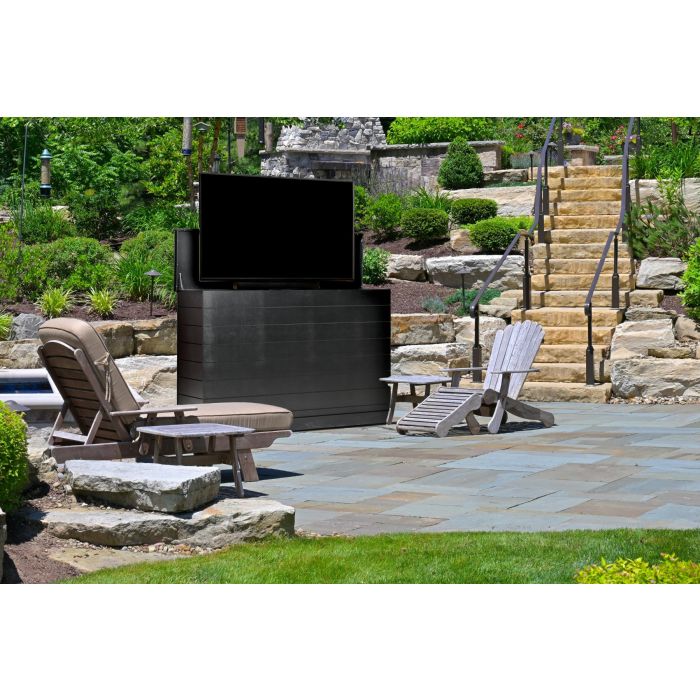
Fall patio season is when outdoor living finally feels easy again. The air cools, evenings stretch longer, and the backyard stops being a heat island. That is also when a lot of homeowners want a real screen outside for football, streaming, and quiet dinners after dark. An outdoor TV lift cabinet solves the awkward part of that wish. The television rises when the night calls for it and sinks into a weatherproof case when the party is over.
Football weekends make the case even clearer. Kickoffs land on Saturdays and Sundays when friends already migrate to the patio for food and cooler weather. A fixed wall mount or a living-room TV dragged outdoors turns the space into a permanent electronics display. A lift cabinet keeps the focus on seating and conversation until someone hits the remote. Between quarters or after the final whistle, the screen disappears and the cabinet reads like outdoor furniture again.
Weather is not a side note in autumn. Dew, wind, leaf litter, and surprise showers
Categories: Outdoor TV Lift CabinetPosted on: September 14, 2026Posted by: Jenn Mann -
Cozy Season Home Refresh: Where a TV Lift Cabinet Fits Into Your Fall Decor
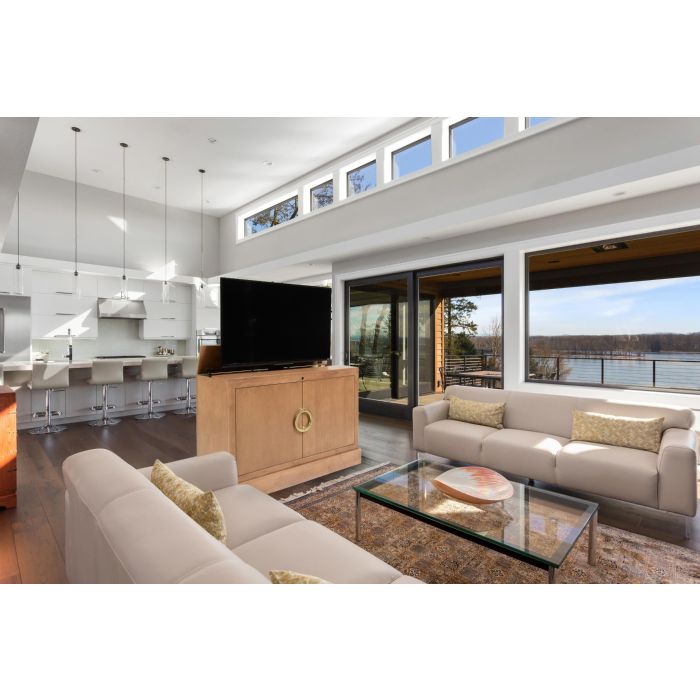
There's a specific moment every year when summer starts giving way to fall, usually somewhere around the point when the evenings get shorter and you find yourself reaching for a light sweater on the porch. It's not quite time to put away the patio furniture yet, but it's close. That in-between stretch, the last few weeks of August into September, is when a lot of us start thinking ahead to how our living spaces are going to feel once we're spending more time indoors again.
If you spent the summer with windows open, furniture pushed toward the patio doors, and the living room feeling more like a pass-through to the backyard than a destination in itself, fall is the natural point to bring the room back inward. That usually means swapping out lighter textiles for something warmer, layering in a rug, and rethinking what the room's focal point should be now that outdoor time is winding down. And more often than people expect, that rethink runs straight into the television.
The Seasonal Mismatch
Posted on: September 13, 2026Posted by: Jenn Mann -
Fireplace vs. TV Lift Cabinet: Which Should Anchor Your Living Room This Winter?
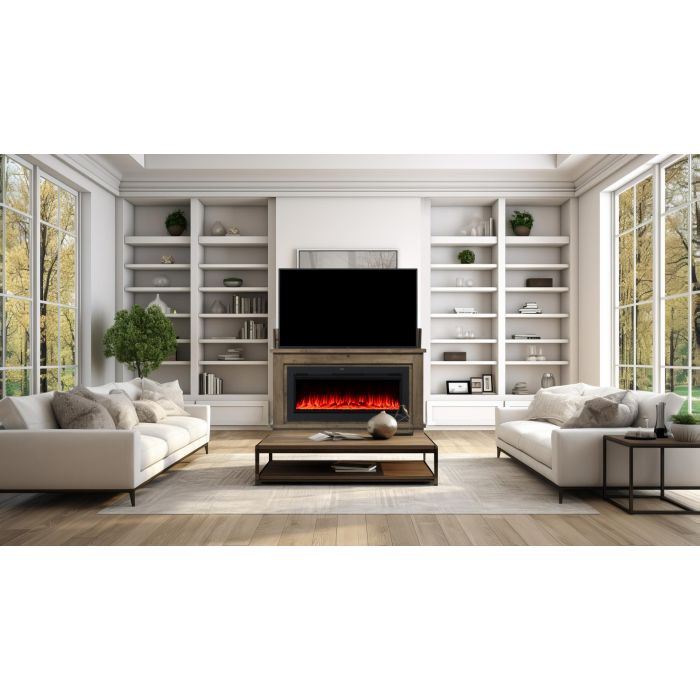
Every living room needs a focal point, and in winter, the competition usually comes down to two options: the fireplace or the TV. Instead of choosing one, more homeowners are finding a third option: let the fireplace anchor the room and let the TV disappear when it's not needed.
The Case for the Fireplace as Anchor
A fireplace brings warmth, both literal and visual, that a television can't replicate. It also tends to work year-round as a design feature even when it's not lit, which is more than can be said for a dark, empty screen mounted above it.
The Problem with Mounting a TV Over the Fireplace
Mounting a television above a fireplace is common, but it comes with real downsides: awkward neck angles from typical seating height, heat exposure that can shorten a TV's lifespan, and a design conflict where neither the fire nor the screen gets to be the room's real focal point.
Where a TV Lift Cabinet Fits In
A TV lift cabinet placed to the side of or opposite the fireplace lets both features
Posted on: September 09, 2026Posted by: Jenn Mann -
Home Office Meets Home Theater: Hiding Your TV in a Work-from-Home Setup
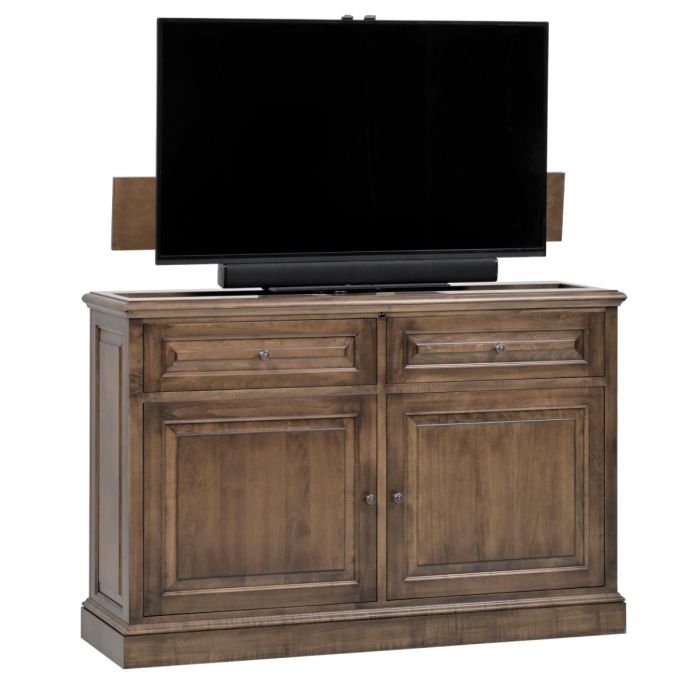
Remote and hybrid work turned a lot of spare bedrooms and living room corners into offices, often in the same room where the TV already lived. That overlap creates a real design problem: a TV visible behind you on every video call, or a desk that competes with the entertainment setup for the best spot in the room.
Why the TV Behind You Is a Problem
On a video call, whatever's on the wall behind you becomes part of your professional presentation, whether that's a blank screen, a paused game, or last night's show still on the menu screen. Even off, a large TV in the background can make a home office look more like a den.
Hiding the TV Changes the Whole Setup
A TV lift cabinet positioned behind or beside a desk lets the screen disappear during work hours and reappear for evening use. This does more than clean up your video call background:
- It frees wall space for a proper office backdrop: shelving, art, or a plain wall
- It keeps cables and consoles contained in one cabinet instead of spread
Posted on: September 08, 2026Posted by: Neoverve Support -
5 Ways a TV Lift Cabinet Solves Your Open-Concept Layout Problems
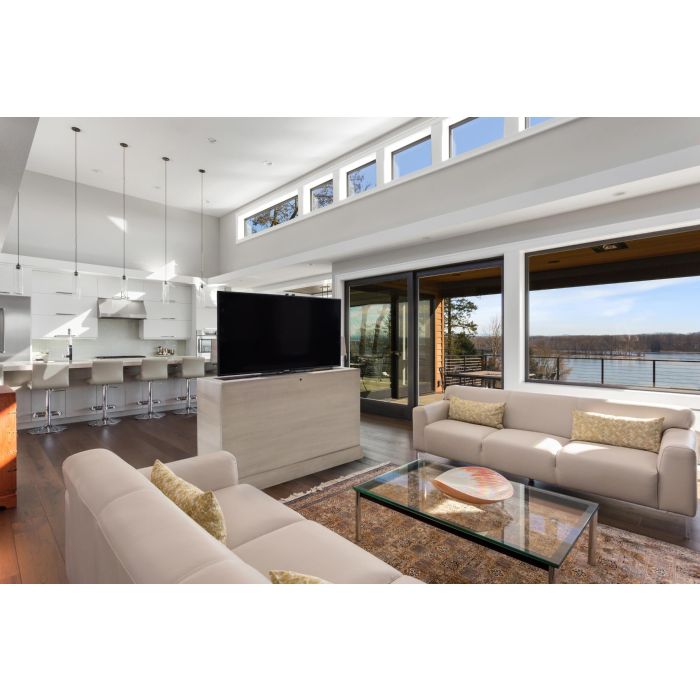
Open-concept homes solve some problems and create new ones. Chief among them: where does the TV go when there's no single wall that belongs to "the living room" anymore? A TV lift cabinet answers that question in ways a wall mount can't.
1. It Replaces the Need for a Dedicated TV Wall
In an open floor plan, dedicating an entire wall to a television can make the space feel unbalanced, especially if that wall also faces the kitchen or dining area. A lift cabinet lets you place the TV within a piece of furniture instead, freeing the wall for windows, art, or shelving.
2. It Doubles as a Room Divider
A cabinet positioned between the living area and a dining or entry space can define zones without a wall. Many open-concept homeowners use a lift cabinet exactly this way, with the TV facing the seating area and open shelving or a flat back facing the entry.
3. It Keeps Sightlines Clear from the Kitchen
Open-concept kitchens often look directly into the living room. A hidden TV means that view,
Posted on: September 07, 2026Posted by: Jenn Mann