

Wide open spaces
-
5 Ways a TV Lift Cabinet Solves Your Open-Concept Layout Problems

Open-concept homes solve some problems and create new ones. Chief among them: where does the TV go when there's no single wall that belongs to "the living room" anymore? A TV lift cabinet answers that question in ways a wall mount can't.
1. It Replaces the Need for a Dedicated TV Wall
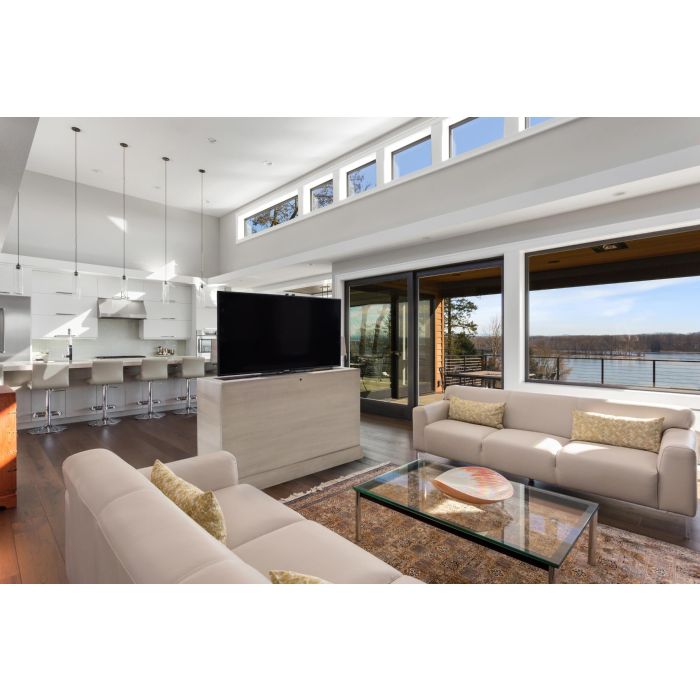
In an open floor plan, dedicating an entire wall to a television can make the space feel unbalanced, especially if that wall also faces the kitchen or dining area. A lift cabinet lets you place the TV within a piece of furniture instead, freeing the wall for windows, art, or shelving.
2. It Doubles as a Room Divider
A cabinet positioned between the living area and a dining or entry space can define zones without a wall. Many open-concept homeowners use a lift cabinet exactly this way, with the TV facing the seating area and open shelving or a flat back facing the entry.
3. It Keeps Sightlines Clear from the Kitchen
Open-concept kitchens often look directly into the living room. A hidden TV means that view,
Posted on: September 07, 2026Posted by: Jenn Mann -
How to Design an Open Concept Living Room Without a Visible TV
Open concept homes are designed to feel spacious, connected, and visually balanced. The goal is to create a natural flow between living, dining, and kitchen areas without visual interruptions.
However, one of the biggest challenges in achieving that balance is the TV.
A large screen, whether mounted on the wall or placed on a stand, often becomes the dominant focal point. It draws attention away from architectural features, interrupts sightlines, and can make the space feel more like an entertainment zone than a thoughtfully designed home.
This is where a TV lift cabinet becomes a strategic design solution rather than just a piece of furniture.
By allowing the TV to disappear completely when not in use, you preserve the original intention of the space. Your furniture layout, lighting, and decor take priority again. Conversations feel more natural. The room feels more cohesive.
Another advantage is placement flexibility. Unlike wall-mounted setups, many TV lift cabinets are finished on all
Posted on: March 31, 2026Posted by: Jenn Mann -
Wide open spaces? TVLiftCabinet has you covered.
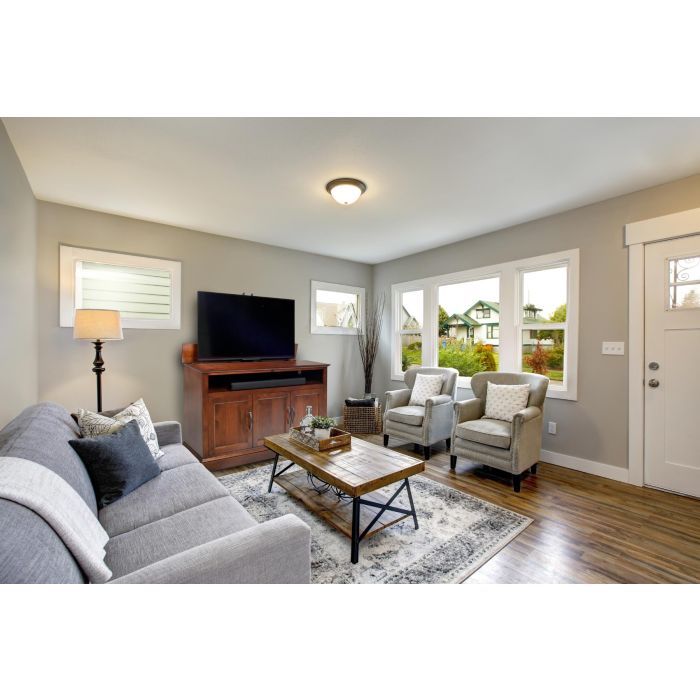
Open floor plans remain popular for many home owners. It’s a trend that’s not going anywhere. In some cases, designers have brought the outdoors inside the home by incorporating more glass interior doors which seem to disappear after opening. This makes spaces even more open to give homeowners more flexibility in how they want to set up their home. Many homeowners believe that 100 percent of the floor space in their homes should be usable and don’t like things like cut-out areas for appliances, televisions or bookcases.Buyers now arrive at the sales office with a list of “non-negotiable” features that they want in a home. For instance, airy and welcoming living, sleeping, and eating spaces across a flexible layout are key. In an NAHB report published last year, builders responded that the kitchen–family room arrangement is completely or partially open in 84% of the homes they build, with over half (54%) being completely open to the main living spaces of the home.
This means there is a
Posted on: April 30, 2018Posted by: Kerry Mann
 Open floor plans remain popular for many home owners. It’s a trend that’s not going anywhere. In some cases, designers have brought the outdoors inside the home by incorporating more glass interior doors which seem to disappear after opening. This makes spaces even more open to give homeowners more flexibility in how they want to set up their home. Many homeowners believe that 100 percent of the floor space in their homes should be usable and don’t like things like cut-out areas for appliances, televisions or bookcases.