

Page 5 - Blog
-
TV Lift Mechanism Troubleshooting: Common Problems and Fixes
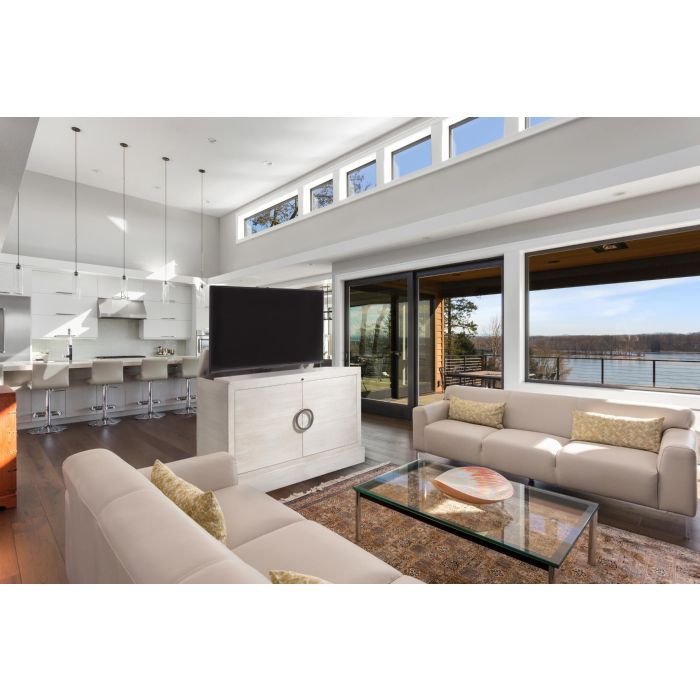
Meta description: Is your TV lift cabinet stuck, slow, or noisy? A full troubleshooting guide covering every common TV lift mechanism problem and how to fix it.
A TV lift cabinet has one moving part that matters — the mechanism so when something goes wrong, it's almost always one of a handful of known issues. Here's how to diagnose and fix them before assuming you need a replacement.
The TV won't rise or lower at all
Start with power. Confirm the cabinet is plugged into a working outlet, and if it's on a power strip or surge protector, test the outlet directly. A surprising number of "broken mechanism" calls turn out to be a tripped breaker or a dead outlet.
Check the remote or wall switch. Replace batteries in a handheld remote, and confirm a wall switch is fully seated in its wiring. If your cabinet uses an app or smart-home integration, confirm the hub or bridge device is online.
Look for a triggered obstruction sensor. Most quality mechanisms stop moving the instant they sense resistance
Posted on: July 17, 2026Posted by: Jenn Mann -
How Does a TV Lift Mechanism Actually Work?
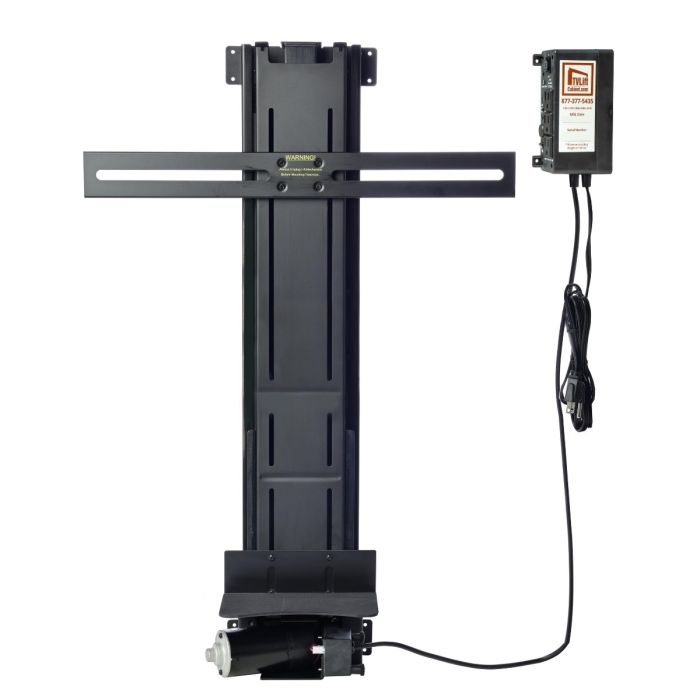
A plain-language breakdown of how TV lift mechanisms work the motor, the mount, and the safety features that keep your TV moving smoothly.
At its core, a TV lift mechanism is a motorized system that raises a mounted TV vertically out of a cabinet, and lowers it back down, on command.
The main components:
- Linear actuator or scissor-lift motor — the drive system that generates vertical movement. Linear actuators use a motor-driven screw or rod; scissor mechanisms use a folding metal lattice that extends and collapses.
- Mounting bracket — attaches the TV (standard VESA pattern) to the top of the lift carriage
- Guide rails — keep the TV moving in a straight, stable vertical path without wobble
- Control system — a remote, wall switch, or app that sends the raise/lower signal
- Safety sensors — most quality mechanisms include obstruction detection, which stops or reverses the lift if it meets resistance (a hand, a pet, a stray cable)
How it moves: When you trigger the lift, the motor drives the actuator
Posted on: July 15, 2026Posted by: Jenn Mann -
Outdoor TV Cabinet vs. Outdoor TV Enclosure: What's the Difference?
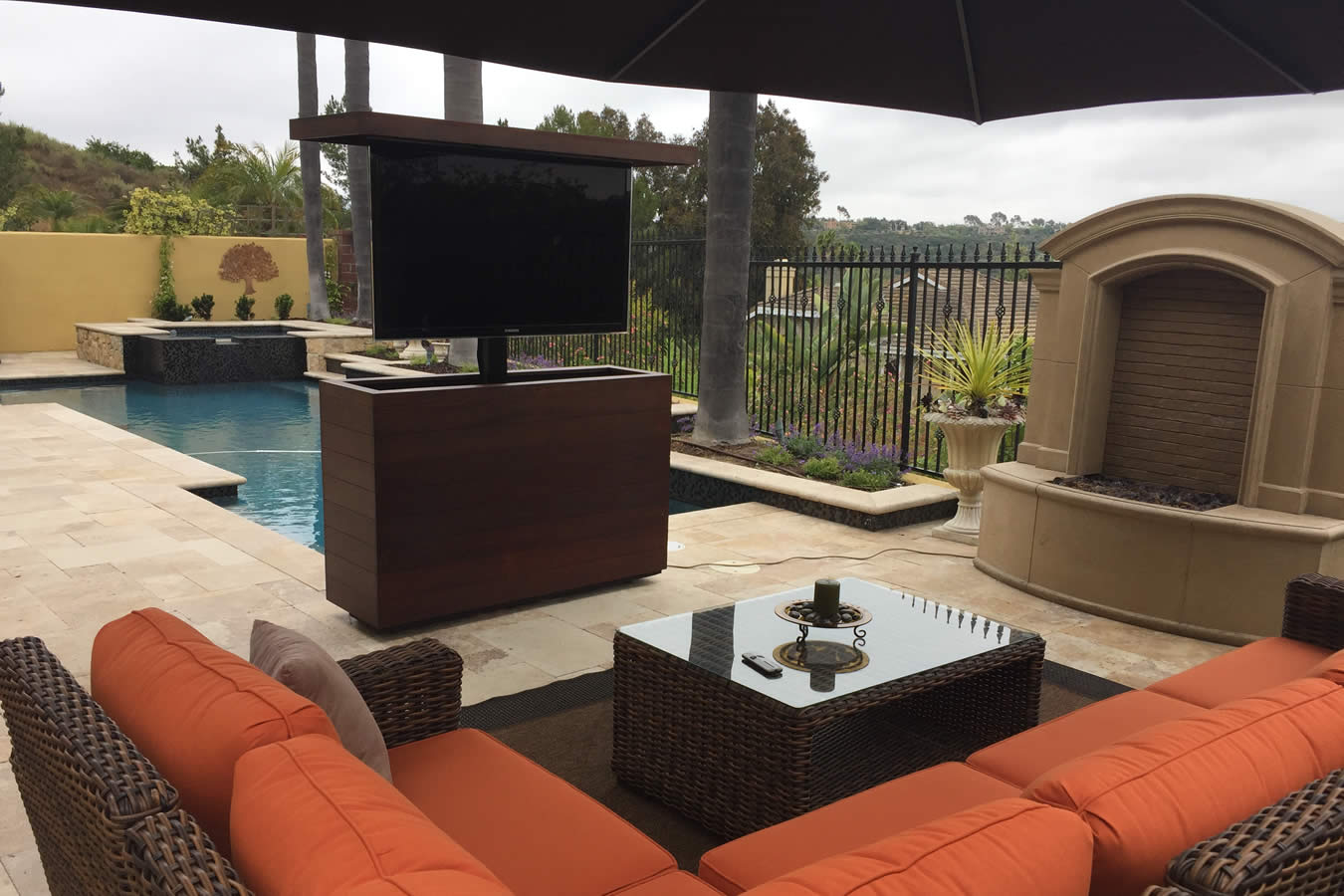
Outdoor TV cabinets and TV enclosures solve the same problem protecting a screen outside in very different ways. Here's how to choose.
Both products protect a television from outdoor conditions, but they take opposite approaches.
Outdoor TV enclosure: A weatherproof frame or box that surrounds a wall-mounted or stand-mounted TV permanently. The screen stays visible year-round, protected behind a sealed, often anti-glare front panel.
- Pros: Lower cost, simpler installation, no moving parts to maintain
- Cons: The TV is always visible (even off), enclosures can trap heat, and repairs to the TV itself mean opening a sealed unit
Outdoor TV cabinet with lift: A fully enclosed cabinet that raises the TV into view when needed and lowers it out of sight and out of the weather when not in use.
- Pros: TV is completely hidden and protected between uses, cabinet doubles as storage, better long-term protection from sun, dust, and moisture
- Cons: Higher upfront cost, a motorized mechanism to maintain
Which
Categories: indoor outdoor rooms , Outdoor TV Lift Cabinet , Outdoor Casual TV Lift Cabinet , Outdoor SpacePosted on: July 13, 2026Posted by: Jenn Mann -
How to Install a TV Lift in a Small RV Space
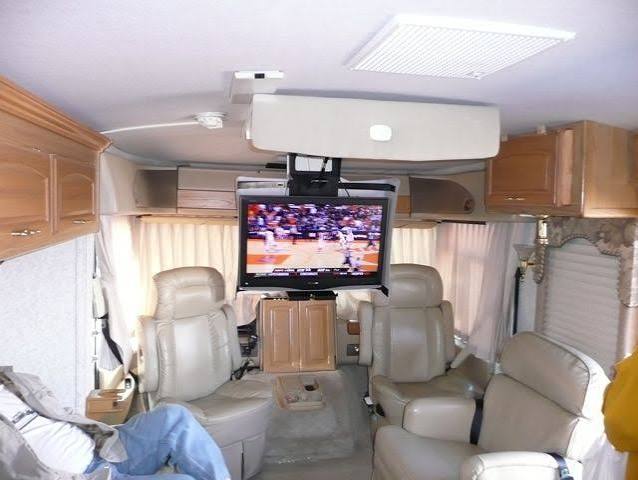
A complete, practical guide to installing a TV lift in a small RV or camper cabinet — measuring, reinforcing, wiring, and testing before you hit the road.
Installing a TV lift in an RV takes more precision than a home install. There's less room for error in the measurements, the cabinetry needs reinforcement most home furniture doesn't, and everything needs to survive real highway vibration, not just sit in place. Here's the full process.
Step 1: Measure every dimension — twice
Confirm cabinet depth, width, and height with the mechanism's full specs in hand, not just a general sense of "it should fit." Pay particular attention to clearance above the cabinet opening RV ceilings and overhead cabinets often leave less headroom than people expect, and this is the single most common measurement mistake in RV installs. Measure the TV's mounted depth (including the bracket) against the cabinet's internal depth with the mechanism fully collapsed, and build in a margin, not an exact fit.
Step 2:
Posted on: July 10, 2026Posted by: Jenn Mann -
Weatherproof TV Cabinets: What "Weatherproof" Actually Means
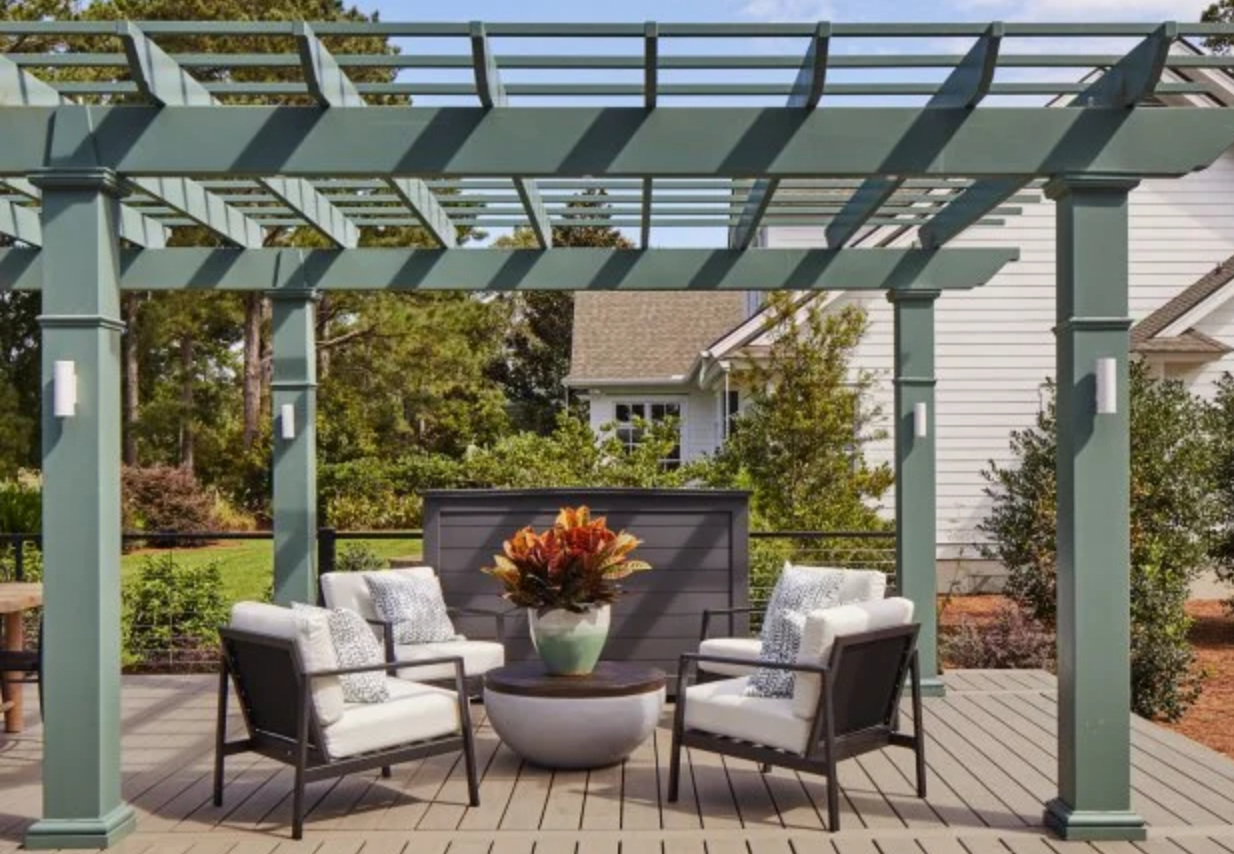
"Weatherproof" gets used loosely in outdoor furniture marketing. Here's what it actually takes for a TV cabinet to survive outdoors long-term.
Not all products labeled "weatherproof" hold up the same way. When you're protecting a TV not a cushion or a planter the standard needs to be higher.
True weatherproofing includes:
- UV-stable materials — HDPE and similar polymers resist fading and won't become brittle in direct sun the way wood or standard plastics do
- Moisture sealing at every seam — gaps invite condensation, which is more damaging to electronics than direct rain
- A lift mechanism rated for outdoor use — a standard indoor TV lift motor will corrode; outdoor units use sealed, weather-rated components
- Drainage — a well-designed cabinet channels water away from the compartment rather than letting it pool
- Temperature tolerance — materials that won't crack in freeze-thaw cycles if you're in a four-season climate
What "weatherproof" doesn't mean: fully submersible, or maintenance-free
Categories: outdoors , Outdoor TV Lift Cabinet , Outdoor Casual TV Lift Cabinet , outdoor , OutdoorEntertainment , Outdoor Space , outdoor TV lift cabinetPosted on: July 09, 2026Posted by: Jenn Mann -
How to Set Up an Outdoor Entertainment Center Around Your TV Lift
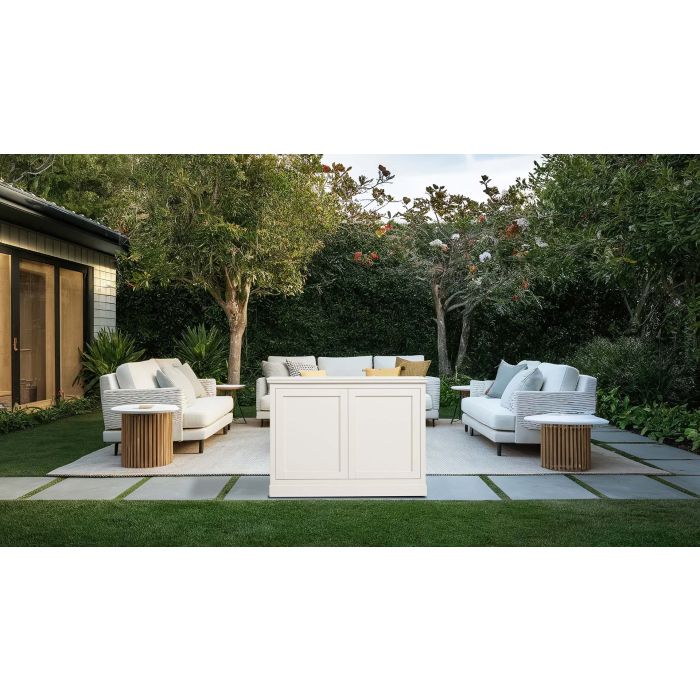
A step-by-step guide to building a full outdoor entertainment center around your TV lift cabinet layout, seating, sound, and power.
A TV lift cabinet is the anchor of an outdoor entertainment center, but the setup around it determines whether the space actually gets used.
Step 1: Pick the location. Choose a spot with some cover (roof overhang, pergola, or covered patio) and reasonable proximity to an outdoor-rated power source. Avoid full afternoon sun exposure on the cabinet itself if you can — even weatherproof units last longer out of constant direct heat.
Step 2: Plan sightlines. Seating should sit within a comfortable viewing arc, generally within 1.5–2.5x the screen's diagonal size for optimal viewing distance.
Step 3: Handle power and cable routing before anything else. Run outdoor-rated conduit for power and any wired audio connections. This is far easier to do before furniture and landscaping go in.
Step 4: Add audio. A weatherproof soundbar or in-cabinet speaker storage solves
Posted on: July 07, 2026Posted by: Jenn Mann -
Best Patio TV Cabinets for Backyard Movie Nights
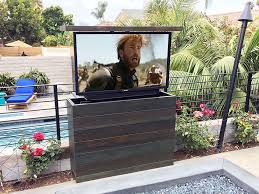
Turn your patio into a backyard theater with a weatherproof TV lift cabinet built for movie nights, game days, and everything in between.
A patio TV cabinet gives you a real outdoor theater setup without leaving a screen exposed to rain, sun, and dust between uses. The best options use HDPE (marine-grade polymer) construction, a sealed lift mechanism, and enough clearance for a 55"–65" TV to disappear completely when not in use.
What to look for:
- HDPE or marine-grade cabinetry — won't rot, warp, or fade like wood or laminate
- Sealed, weather-rated lift motor — the mechanism matters as much as the cabinet shell
- Cable management built in — keeps HDMI runs and power cords out of the weather
- Enough depth for soundbar or speaker storage — a real movie night needs real sound
Setting up the space: Position the cabinet against a covered wall or under a pergola if possible — even weatherproof units last longer with some cover. Add outdoor seating in a slight arc facing the cabinet, string lighting
Posted on: July 05, 2026Posted by: Jenn Mann -
How Does a TV Lift Cabinet Improve Interior Design?
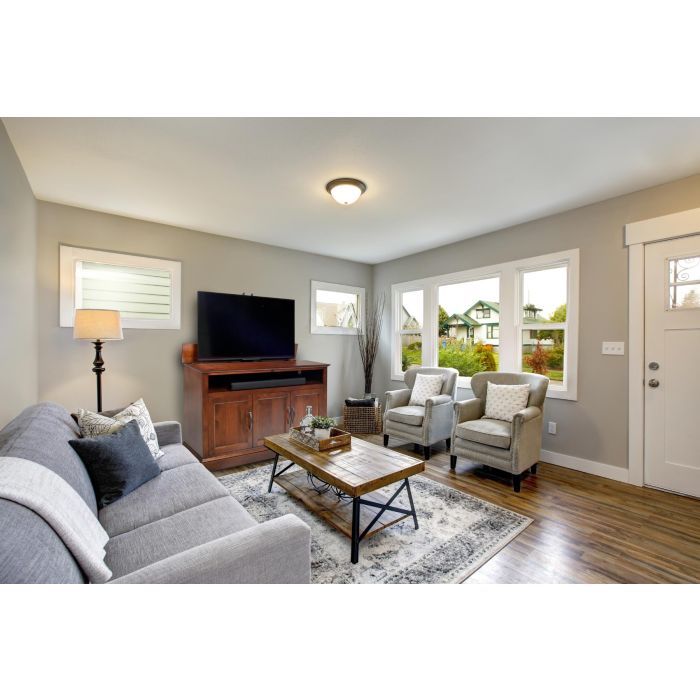
A TV lift cabinet improves interior design by eliminating the visual dominance of a flat-screen television when it's not in use, allowing the room's furniture, art, and architecture to take center stage. Instead of designing a room around a black rectangle on the wall, you design the room around your taste — and the TV appears only when needed. This single change dramatically increases a room's aesthetic flexibility and perceived quality.
Interior designers frequently cite the television as one of their greatest challenges. It's a functional necessity for most households, but an aesthetically difficult one — a large black rectangle that demands visual attention whether it's on or off, and that forces the rest of the room's design to accommodate it.
TV lift cabinets solve this problem at its root.
The "Dead Screen" Problem
Design professionals call it the "dead screen" problem — the way a turned-off flat-panel TV creates a black void in the room, drawing the eye and deadening the surrounding
Categories: How Does a TV Lift Cabinet Improve Interior Design? , TV lift living room , home design TV lift , TV lift cabinet aestheticPosted on: July 03, 2026Posted by: Jenn Mann -
What Styles of TV Lift Cabinets Are Available?
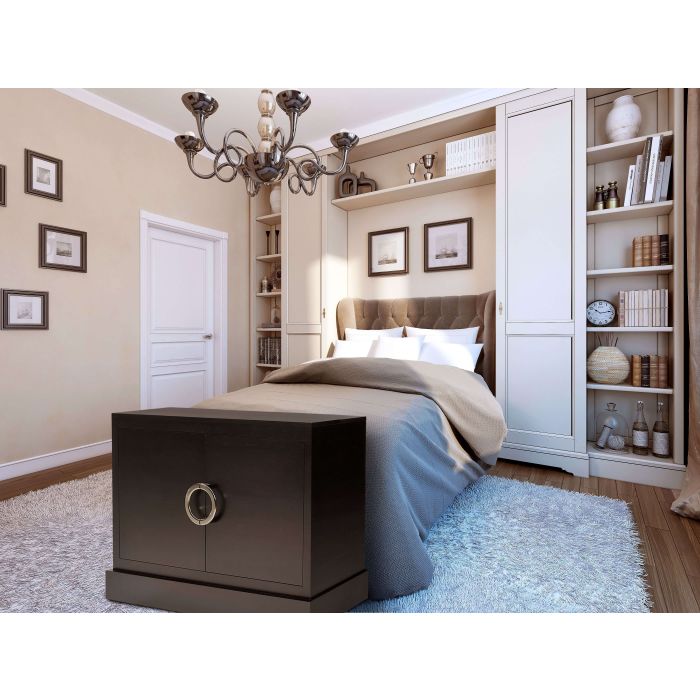
TV lift cabinets are available in a wide range of furniture styles including traditional, transitional, contemporary, modern, coastal, rustic, and custom. They come in formats ranging from tall armoires and entertainment centers to low bedroom consoles, bed-foot benches, and sideboards. The variety has expanded significantly in recent years, making it possible to find a TV lift cabinet that integrates naturally into almost any interior design aesthetic.
One of the most common misconceptions about TV lift cabinets is that they're all large, dark-wood armoires from the early 2000s. That world has changed. Today's TV lift cabinet market offers a design range broad enough to suit virtually any interior — from a beachhouse great room to a minimalist urban loft.
Traditional and Transitional Styles
Traditional TV lift cabinets are built in the style of fine English or American furniture — raised-panel doors, crown molding, carved details, cherry or mahogany finishes. Transitional styles bridge
Categories: TV lift cabinet designs , contemporary TV lift cabinet , rustic TV lift cabinet , TV lift cabinet designs , living room TV lift cabinet , bedroom TV lift cabinetPosted on: July 01, 2026Posted by: Jenn Mann -
Can a TV Lift Cabinet Be Used Outdoors?
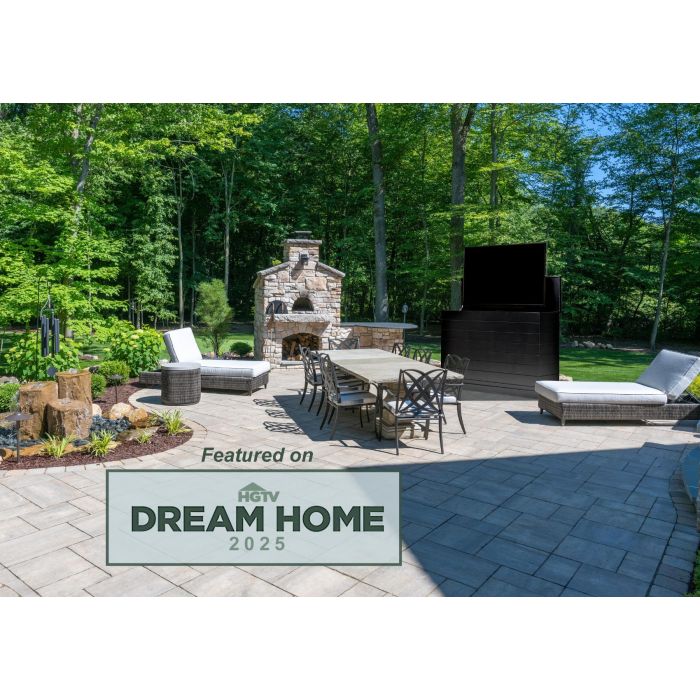
Yes — there are TV lift cabinets specifically engineered for outdoor use, built with weather-resistant materials, sealed electronics, and UV-stable finishes designed to withstand the elements. Standard indoor TV lift cabinets are not suitable for outdoor installation because they use materials and electronics not rated for moisture, temperature swings, or UV exposure. For any outdoor application — covered patio, poolside, or outdoor kitchen — you need a cabinet specifically rated for outdoor use.
Outdoor living spaces have become a major focus in home design, and the demand for outdoor entertainment — including concealed outdoor TVs — has grown right along with it. TV lift cabinets designed for outdoor environments bring the same clean aesthetic benefit as their indoor counterparts, but they're engineered to handle an entirely different set of challenges.
Why Standard Indoor Cabinets Don't Work Outside
Indoor TV lift cabinets are built with interior-grade materials:
- Wood products (MDF,
Categories: outdoor TV lift cabinet , weatherproof TV lift , outdoor TV cabinet , weather resistant TV lift , pool area TV liftPosted on: June 30, 2026Posted by: Jenn Mann