
RV
-
12V vs 120V TV Lifts for RVs: Which Do You Need?

RV electrical systems typically run 12V, 120V, or both — and that determines which TV lift mechanism actually works for your rig. Here's how to figure out which you need.
One of the first practical decisions in an RV TV lift install is matching the mechanism to your rig's actual electrical system, and it's a decision that needs to happen before you buy, not after.
Understanding your RV's electrical setup
Most RVs run a 12V DC system fed by the house battery (and charged via solar, shore power through a converter, or engine alternator while driving) for lights, fans, and basic electronics, alongside a separate 120V AC system that's only live when connected to shore power or running a generator/inverter. Which system is actually available to you at the TV's location, and under what conditions (driving, boondocking, plugged in at a campground), determines which lift mechanism makes sense.
When a 12V mechanism is the right choice
If you want the TV lift to function reliably while boondocking
Posted on: August 06, 2026Posted by: Jenn Mann -
Best TV Lift Solutions for RVs and Campers
RV and camper TV lifts face different demands than home installs vibration, tight clearances, and 12V systems. A complete guide to choosing the right one.
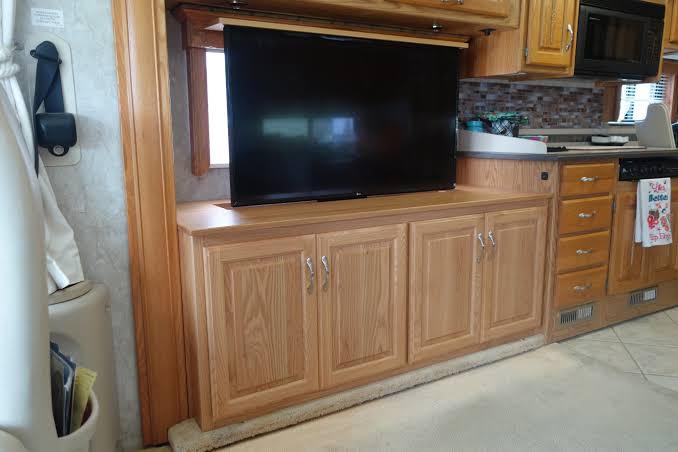
A TV lift built for a house and a TV lift built for an RV are not interchangeable products, even if they look similar on paper. Life on the road introduces a set of stresses that home installations never face, and the right RV TV lift is engineered specifically around them.
Why RV installs are fundamentally different
Constant vibration. Every mile of road puts repeated stress on mounting hardware, guide rails, and electrical connections in a way a stationary home cabinet never experiences. Hardware that would hold indefinitely in a living room can work loose over a season of travel if it isn't rated for vibration resistance.
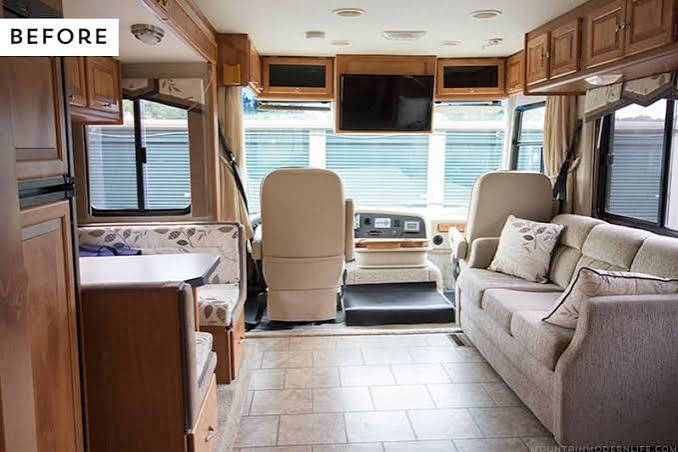
Tight, precise cabinetry. RV interiors are built to exact, often smaller dimensions than home furniture. There's rarely slack in the design to accommodate a mechanism that's slightly too tall or too deep measurements
Posted on: July 28, 2026Posted by: Jenn Mann -
How to Install a TV Lift in a Small RV Space
A complete, practical guide to installing a TV lift in a small RV or camper cabinet — measuring, reinforcing, wiring, and testing before you hit the road.
Installing a TV lift in an RV takes more precision than a home install. There's less room for error in the measurements, the cabinetry needs reinforcement most home furniture doesn't, and everything needs to survive real highway vibration, not just sit in place. Here's the full process.
Step 1: Measure every dimension — twice
Confirm cabinet depth, width, and height with the mechanism's full specs in hand, not just a general sense of "it should fit." Pay particular attention to clearance above the cabinet opening RV ceilings and overhead cabinets often leave less headroom than people expect, and this is the single most common measurement mistake in RV installs. Measure the TV's mounted depth (including the bracket) against the cabinet's internal depth with the mechanism fully collapsed, and build in a margin, not an exact fit.
Step 2:
Posted on: July 10, 2026Posted by: Jenn Mann -
On the road again – time to trick out that new (or old) RV
RV shipments through October 2017 totaled 426,932 units, an increase of 17.6% from the same period in 2016. This continues seven consecutive years of shipments growth as the industry has bounced back from effects of the great recession.
If you’re one of the thousands who purchased these RVs and plan to hit the road this spring or summer, it may be time to think about adding some smart furnishings for your home away from home (or for some full timers, your home, period).
More and more companies are offering new designs that provide comfort, style and specificities for life on the road. There is much more opportunity for customization than ever, and many more ways to get what you want and need to live your best RV life. For instance, heavy built-in wooden elements are being replaced by alternate designs using synthetic foams and paper. People want all the amenities of home, it just takes a little engineering and creativity.
Companies like TVLiftCabinet are also stepping up, offering
Posted on: February 28, 2018Posted by: Kerry Mann -
Time to hit the road and enjoy every moment of the journey!
Outdoor recreation is booming these days. In fact, RVing hasn’t been this popular since before the recession in the early 2000s. People of all backgrounds and ages are getting away to the outdoors – and hitting the road to see what’s around the bend. Some people are not only giving up landlines, they’re giving up their home base to live in their RVs full-time. Increases in telecommuting options and the lower costs of living in an RV are making this lifestyle a huge trend, especially among adventure-seeking millennials.
One thing that has made this trend possible is the advances in RV tech. Newer RVs are fully equipped to be “smart homes.” This includes touchscreens to control the environment, dim the lights and even bring down the awnings. It also includes sophisticated GPS systems and satellite/Wi-Fi technologies that allow them to get
away and stay in touch along the way.Manufacturers are also producing more enjoyable living spaces in today’s modern RVs – both living and sleeping spaces
Posted on: May 31, 2017Posted by: Kerry Mann -
Feeling at home on the range...
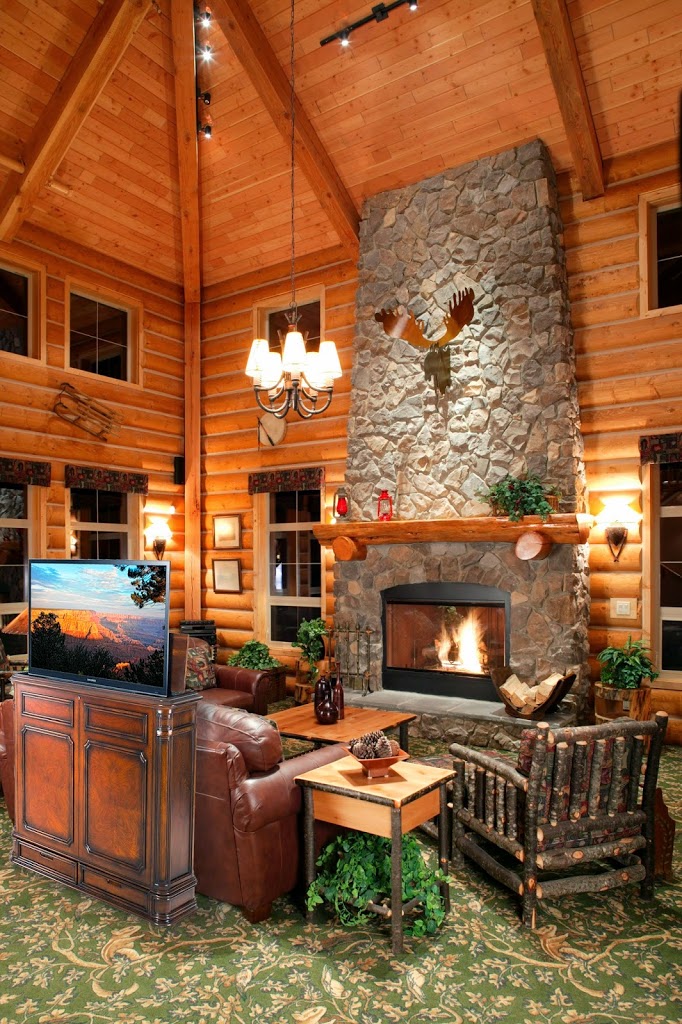
Crystal Pointe TV Lift Cabinet Thoreau once said, “in wildness is the preservation of the world,” and millions of people head for the wide open spaces each year seeking wilderness, beauty and family time. But for many people, going to the wild and “living” wild are two very different things. According to Recreational Vehicle Industry Association (RVIA), there are nearly nine million RVs on the road.
The RVIA says that many of today’s campers expect deluxe amenities, both inside and outside. Many expect a resort-like experience when they stop, with tennis courts, swimming pools and golf nearby. Architects who design log cabins are also seeing an increase in demand for deluxe amenities in family-owned rustic cabins.
After spending the day hiking, fishing or exploring the great outdoors, people want to return to modern amenities, like full kitchens that include microwaves and living rooms that have modern electronics and full-size, flat-screen television sets.
Many people, especially those
Posted on: June 16, 2014Posted by: Kerry Mann

 away and stay in touch along the way.